

Tech with Intent
Purposeful technology solves real problems—it doesn’t chase shiny objects.

In the last issue we unpacked why Culture & Capability is the Code. Today we’re exploring the second driver I’ve seen make or break transformation: Tech with Intent.
If you missed the last edition, you can catch up here or subscribe below.
Why intent and purpose matter
Technology creates value only when it solves a real human or business problem.
From my experience, digital and AI transformation isn’t primarily about deploying new tools—it’s about solving real business or human problems. Too often we treat technology like a checklist item. Only 4% of companies consistently generate significant value from AI, while 74% have yet to show tangible benefits. At the same time, adoption is racing ahead: 72% of professionals already use AI regularly in their daily work, three times more than leaders expect. When technology outpaces purpose and clarity, the result is pilot fatigue, wasted investment, and eroding trust.
Tech with Intent flips the equation. Instead of starting with the tool, it starts with a clear problem and a human need. When we deploy AI and digital capabilities deliberately and purposefully, they enhance judgement rather than replace it; they create value rather than just activity.
Inside a needs-driven initiative
Consider Neutrogena, the No. 1 dermatologist‑recommended skincare brand with a 60‑year history and over 650 products. I love this example because it shows what happens when a company listens to their consumers and shifts their approach to solve the true need.
Neutrogena’s first foray into AI was SkinScanner, a device that attached to your smartphone and cost about $50—useful, but out of reach for most consumers. The underlying problem remained unsolved: skincare still felt like trial and error.

Neutrogena reframed the challenge. Instead of selling hardware, it democratized skin analysis by launching the Skin360™ app and web tool. Powered by an AI engine called NAIA™, the platform lets anyone take a selfie and receive a “Skin360 score” along with personalized product recommendations. Consumers can track improvements over time, build a regimen and shop seamlessly across Neutrogena’s site.
The results show the power of intent. When Neutrogena relaunched at CES with the new app, the brand saw a 43% increase in spend from users who created a regimen in Skin360 and a 6% year‑over‑year lift in conversion rates. By focusing on a real consumer problem—getting beyond guesswork in skincare—and using AI to deliver insight rather than novelty, Neutrogena turned technology into a growth engine.
The lesson for all of us: Start with a genuine human problem and make the solution accessible. When technology solves a real need, growth and loyalty follow naturally.
How do we take the next step?
Make the Human Algorithm Real
To bring Tech with Intent to life, begin by questioning one investment:
Run a problem check: Pick one AI or digital project that you or your team are working on and articulate the human or business problem it solves. If you can’t state the need in a single sentence, there is a good chance you’re chasing a shiny object. Define what success looks like in terms of human or business outcomes, then refine or redirect your efforts accordingly.
What’s next
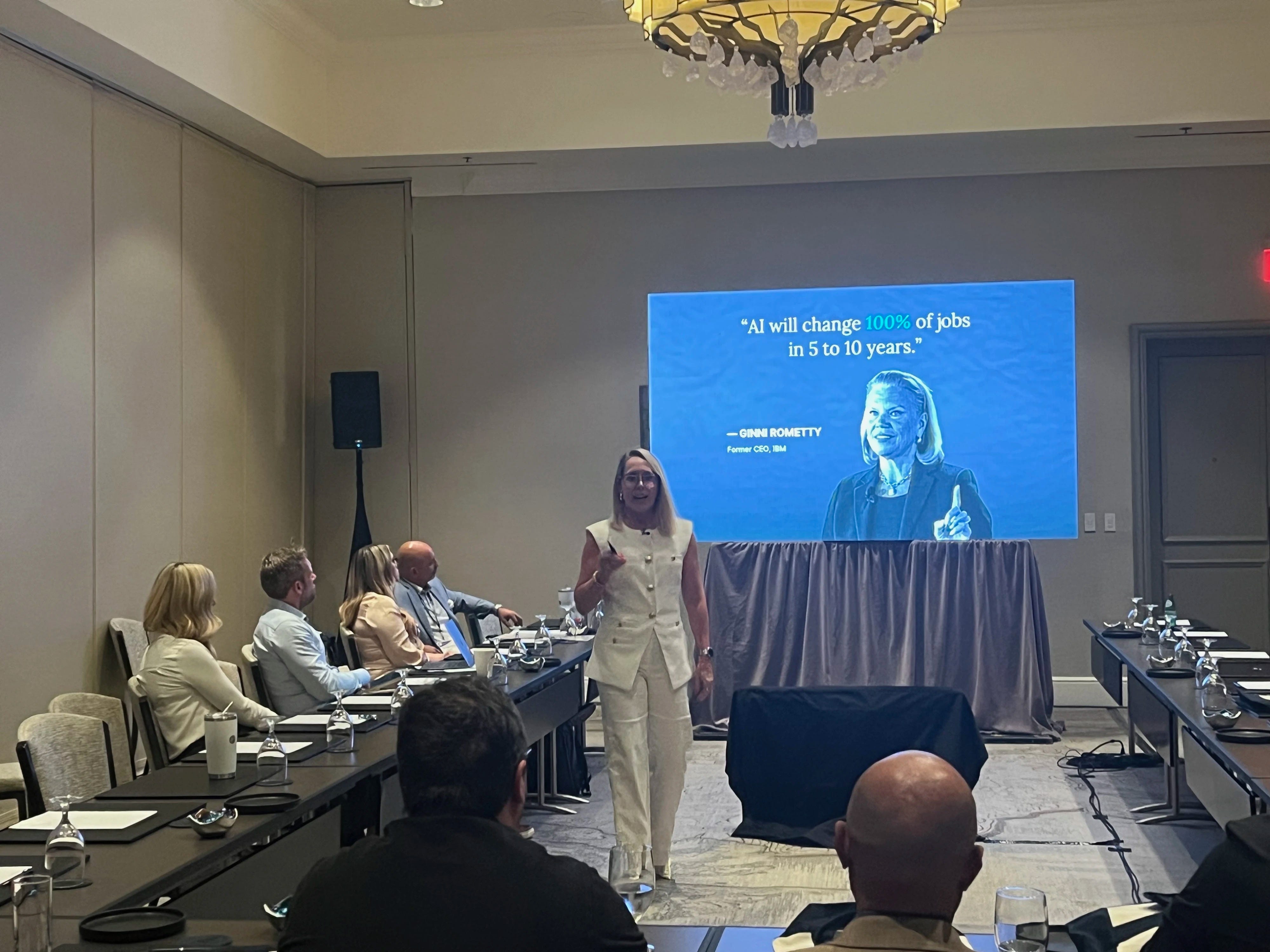
In the next issue we’ll explore Design for Humans, Deliver for Business—how human‑centered experiences drive growth. We’ll look at Duolingo’s gamified redesign and what it means for leaders balancing user delight with business outcomes.
We can’t slow the pace of change, but we can decide why we invest.
Tech with Intent turns AI and digital from distractions into differentiators.
Let’s build with purpose and intent.
— Alyssa
Exploring how purpose‑driven leadership, marketing, digital, and AI shape what’s next. If this sparked something for you, follow along or subscribe.